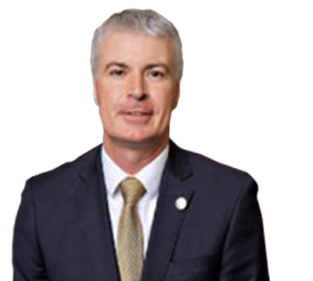
Attorney General Marty Jackley
MENU
Our Office
Department Links
Appellate
Civil
Criminal
Consumer Protection
Medicaid FANS
Division of Criminal Investigation
LET
Forensic Lab
SAC
ID
Intel
SD Unresolved Cases
Employment Opportunities
John R Justice Program
Attorney General Marty Jackley Biography
Chief Deputy Brent Kempema Biography
Media
Press Releases
Publications
Official Opinions
Request for Proposals
Criminal Justice Directory
Technology Contacts
DCI History
Legal Resources
Official Opinions
Open Government
Government Accountability Board
State Authorities/Boards/Commissions
24/7 Sobriety Program
Draft Ballot Explanation
Sex Offender Registry
Secretary of State Concealed Weapon Information
Legislative Research Council
SDCL
SD State Bar
US Attorney Office
Criminal Justice Directory
Law Enforcement Resources
Drug Asset Civil Forfeiture
Division of Criminal Investigation
Missing Person
Law Enforcement Training Calendar
Statistical Analysis Center (SAC)
Criminal Justice Directory
Crime in South Dakota publications
Police Management Study publications
Sheriff Management Study publications
NIBRS
Murdered Indigenous Persons on Indian Country
Law Enforcement Training
School Sentinel Training
Telecommunicator Training
Forensic Lab
Fingerprint Background Checks
Identification Section
Background Checks
Law Enforcement Standards and Training Commission
Secretary of State Concealed Weapon Information
Technology Contacts
Heroes Wellness Grant
Sex Offender Registry
Human Trafficking Reporting Form
Victim Resources
Crime Victim Services
Interagency Multidisciplinary Teams
Missing Persons
Marsy's Law
SAVIN
Senior Citizens Resources
Victim Compensation Link
Victim Bill of Rights
Criminal Justice Directory
SD Unresolved Cases
Consumer Resources
Consumer Protection
Consumer Complaint Form
Medicaid FANS
Complaint Form
Senior Citizens Resources
Senior Handbook
Insurance Fraud Prevention Unit
Suspected Fraudulent Claim Report
Insurance Fraud Consumer Complaint Form
Missing Persons
Missing Person Website
MMIP Reporting
You have reached this page in error.
Please use the navigation above to continue browsing the site.